
Have you ever been in a situation that didn’t feel quite right, but you can’t pinpoint why? Maybe you have the job that you always wanted, and you think you should feel satisfied. Yet, something still feels off.
When faced with these moments of uncertainty, turning to your values can serve as a powerful guide. Values shape our priorities, influence our decisions, and give meaning to our lives. However, identifying them isn’t always easy. Sometimes, what we believe we value doesn’t fully align with what brings us fulfillment. This may lead us to question the values we thought were true to us. Engaging in self-reflection and activities that uncover our true values can lead to better decision-making, goal-setting, and a greater sense of meaning.
What Are Your Values?
One of the best ways to identify values is by reflecting on experiences that felt significant to you. Often, patterns emerge that reveal what truly matters.
For instance, when I reflected on my own experiences, I recognized that intellectual challenge was a core value for me. Years into my job, I started experiencing burnout, yet I couldn’t quite articulate why. When I revisited a values assessment, I realized that while I enjoyed many aspects of my work, the intellectual challenge I craved was missing. This realization pushed me to pursue a master’s degree, which ultimately re-energized me.

At the start of my MSW, I created this collage to explore my values. Looking back, I see alignment with social work but also tension—especially between individuality and community. While I deeply value both, this reflection reminded me that values can coexist, even in contradiction.
Digging Deeper: How to Identify Your Values
One method I’ve found useful when working with others is paying attention to what consistently stands out in values assessments. First, identify values that resonate with you. Then, rank them. Often, what rises to the top is what’s missing in your life.
For example, I once worked with someone who felt frustrated in her job but couldn’t pinpoint why. We explored different career options, but none felt quite right. Finally, we turned to a values assessment, and work-life balance emerged as her top value. This revelation helped her recognize the root of her dissatisfaction: while she loved being the go-to person for last-minute requests, it consistently forced her to miss the gym—something she valued deeply. Once she saw this pattern, she was able to make more informed career choices.
While I love the strategy of identifying top values, I was recently recommended the VIA Character Strengths assessment during a Positive Psychology course, which offered another perspective - how values change over time. Like other values assessments, this tool can reveal insights that might otherwise go unnoticed. When I revisited my results, I discovered I had taken the assessment three times over seven years. Comparing my scores over time showed how values can evolve, which I’ve also observed in the students and professionals I work with. Early in their careers, many prioritize financial security, as it heavily influences their first job choices. However, as they gain experience and self-awareness, other values often emerge, such as autonomy, creativity, or work-life balance, which can significantly impact long-term career satisfaction. This is why regularly reassessing values is so important—it ensures that personal and professional choices remain aligned with what truly matters.
Living in Alignment with Your Values
Certain values remain constant, even if we don’t always recognize them. Curiosity and creativity have always been high on my list, but one value that surprised me was the Appreciation of Beauty and Excellence.
Initially, I overlooked this, unsure of what it meant. But as I reflected, I saw its presence in my admiration for people with extraordinary talents and my deep appreciation for aesthetics. My childhood self knew it instinctively—something my grandmother had captured in a journal entry:
“Susan is very appreciative of flowers and pretty things. When we went for a drive, Susan said, ‘Look at the pretty sky.’”
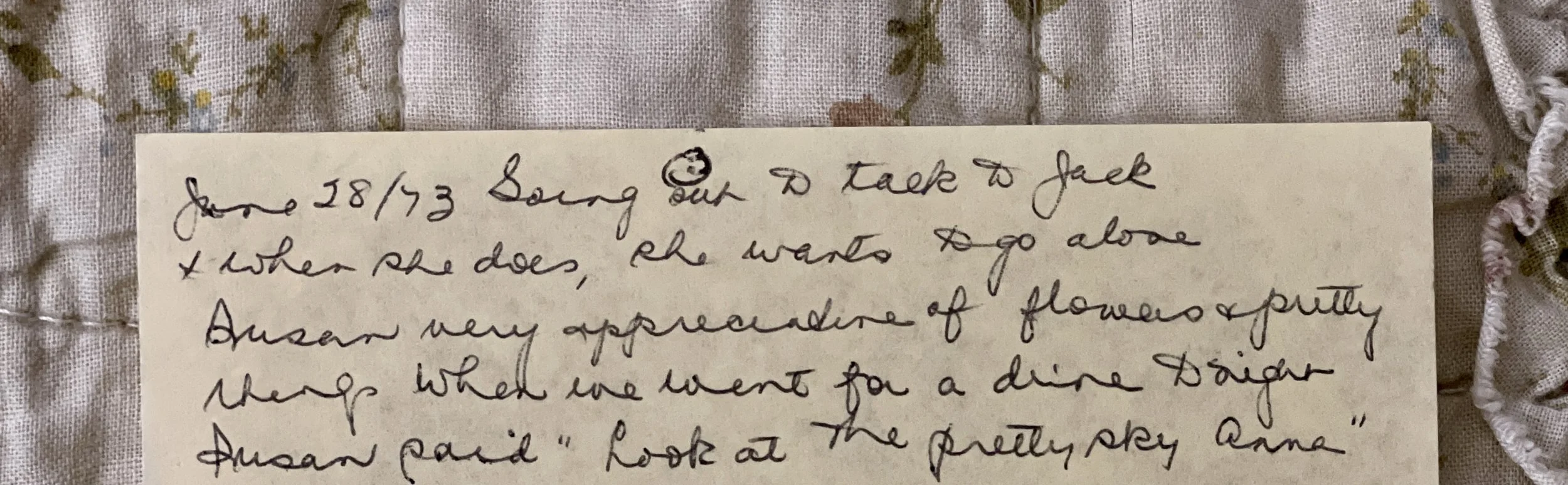
Sometimes, our younger selves leave us clues about what matters most. If in doubt, trust your three-year-old self.

Identifying and understanding patterns in our values—like work-life balance, curiosity, or appreciation of beauty—helps us navigate frustration, burnout, or uncertainty. When I combined my VIA Character Strengths with the Challenge Cards exercise, another insight emerged: one of the challenges I was interested in was helping others find meaning. Suddenly, everything clicked. These small pieces of information shaped a bigger picture, confirming the direction I wanted to take. We, as people, are complex. But clarity comes when we listen to the values that have been speaking to us all along. As James Hollis beautifully put it:
“We are here to become more and more ourselves.”
Returning to Your Values
Whether at the beginning of a decision-making process or feeling stuck in the middle, returning to your values can be like finding your way home. Ask yourself:
What is truly important to you?
As Roy Disney said, “It’s not hard to make decisions when you know what your values are.”
Understanding your values leads to greater authenticity, clarity, and fulfillment. And if life doesn’t go as planned, you’ll know exactly where to look next time. When things feel overwhelming, your values will always be there. Reminding you of who you are and what truly matters.