
As an introvert, I often find my greatest happiness in moments of solitude—quiet mornings spent journaling with my coffee or puttering in my garden. These moments bring me peace and clarity, but societal messaging can sometimes make me question whether this kind of happiness is “enough.” There’s a lot of advice and emphasis on how to live a happy life, much of which highlights the value of being social, outgoing, and constantly connected. While that may work for extroverts, I’m not so sure it’s the only path to fulfillment.
I often encourage students to avoid the comparison game, but I know how easy it is to fall into it myself. It’s hard not to compare when the loudest voices tend to belong to those who seem to have everything figured out. Students on the path to med school or those pursuing their CPA often appear so confident in their choices, while those still figuring things out tend to stay quiet. Sometimes, their quiet comes from uncertainty or feeling lost, which holds them back from sharing their thoughts. That’s why I feel honoured when they choose to open up to me. But quiet isn’t always a sign of uncertainty—sometimes it’s a strength, a space for reflection or a way to recharge. I remind these students that being “lost” isn’t a bad thing—it’s often the start of something exciting. Taking time to reflect, engage in meaningful conversations, or use a combination of both can lead to effective decisions that feel authentic to them.
From my perspective, being lost means you’re on the verge of an adventure, and figuring out your path is part of that. But the comparison game can steal this sense of adventure. It replaces curiosity with doubt, making you question not only your decisions but even your happiness. Frustratingly, this can reoccur at all stages of life—whether you’re deciding on a career, navigating relationships, or even reflecting on how to spend your free time.
The Role of Bias Toward Ourselves
It’s not just about comparing ourselves to others; it’s about how we internalize the messages we hear. Researcher Laurie Santos, who studies happiness, emphasizes the importance of social connections for well-being. It’s a compelling argument, and I don’t disagree that relationships are important. For instance, my most authentic smiles often come when I’m with my children, reminding me of the value of connection. But still, it can feel like this message drowns out other ways people find happiness—ways that are true to them.

Even a serious introvert can find moments for fun
—especially when family, nature, and some friendly Highland ‘hairy coos’ are involved!
As Susan Cain points out in her book Quiet: The Power of Introverts in a World That Can’t Stop Talking, introverts often find joy in solitude, reflection, and meaningful one-on-one interactions. These quieter, less celebrated moments of happiness don’t often make headlines, but that doesn’t make them any less real. The problem comes when societal messages make even introverts question whether their own sources of joy are good enough.
I’ve fallen into this trap myself, especially when I hear research like Santos’s or when I see posts that emphasize happiness as something found in community. I know I feel deeply happy sitting quietly in my garden, and part of me wishes I could share that joy with others in a way they would truly understand. At the same time, I recognize that not everyone will find the same meaning or joy in what I do, just as I may not resonate with their sources of happiness. These differences, I’ve realized, are what make our experiences unique—and why it’s so important to acknowledge them.
Reclaiming Happiness
What if we used our self-awareness to embrace what truly makes us happy? Just like I reassure students that it’s okay to take their time finding a career path, I remind myself that it’s okay to find joy in solitude. Happiness doesn’t have to look the same for everyone.
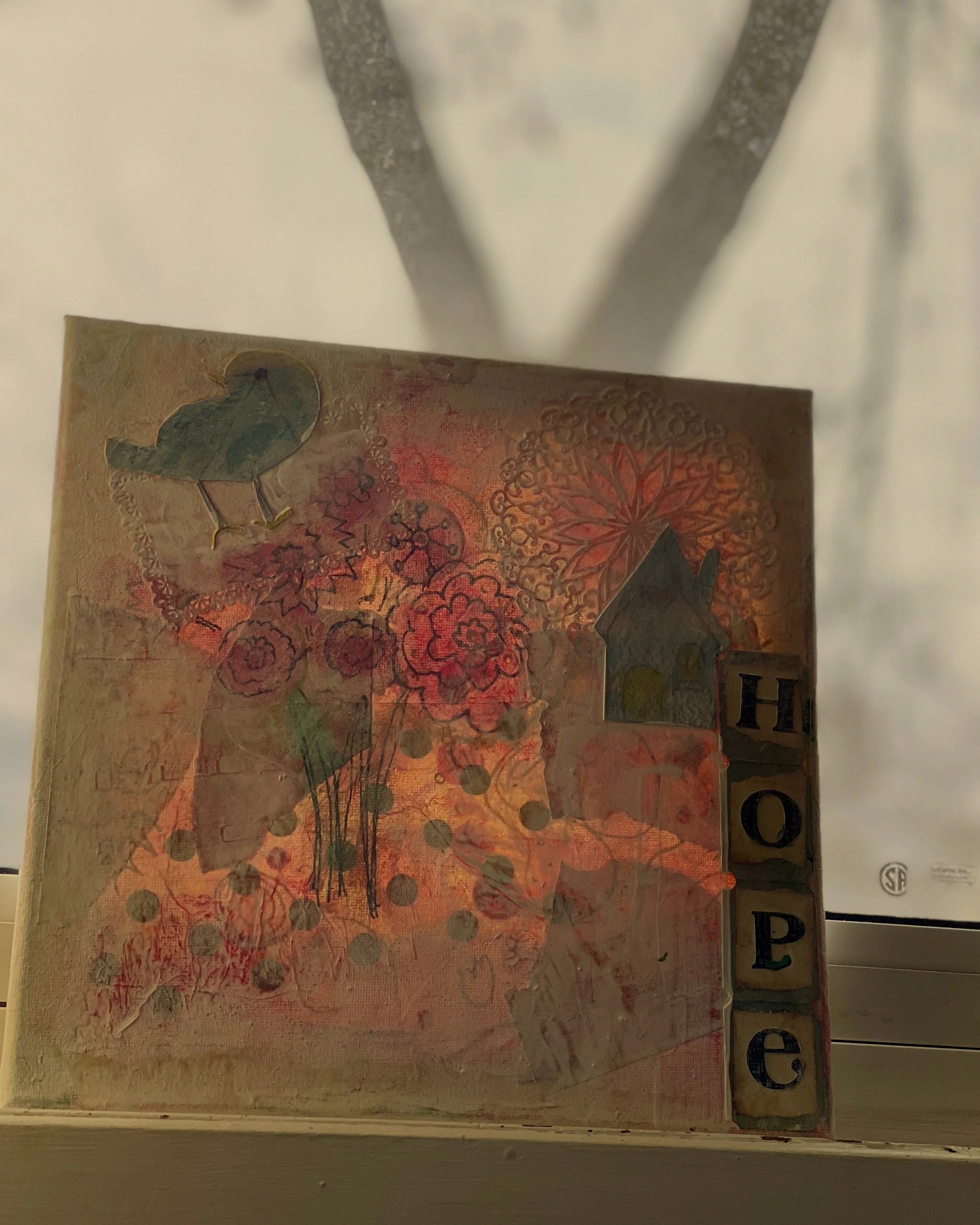
Finding joy in creating something meaningful during moments of solitude—because happiness looks different for everyone.
Extroverts may enjoy blending socializing with purpose, like hosting a community gathering and actively engaging with every guest. Introverts, on the other hand, might find joy in creating the space for connection—observing the energy of others, facilitating meaningful interactions, and taking quiet moments to recharge and reflect as needed.
For me, the balance lies in valuing relationships while also honoring the deep need for alone time. Spending time with close friends and family is meaningful and fulfilling, but so is the time I spend alone, reflecting and recharging. And that’s okay. For introverts, it’s important to say, “Thanks for the advice, but I’m good.” After spending time with others, we can enjoy the quiet moments guilt-free, knowing they are just as valuable.
Final Thoughts
We all have internal biases, shaped by societal messaging, that can make us question what truly makes us happy. But happiness isn’t a one-size-fits-all concept. It’s deeply personal, and embracing the way we naturally find joy is key to living authentically.
For me, that joy is found in the quiet of the morning, surrounded by roses and the sound of birds singing. No research or external messaging will convince me otherwise. And I hope those of you reading this—introvert or extrovert—find your version of happiness, whatever it looks like.